Buy gmes-stratosphere.eu ?
We are moving the project
gmes-stratosphere.eu .
Are you interested in purchasing the domain
gmes-stratosphere.eu ?
domain@kv-gmbh.de · 0541-91531010
Buy gmes-stratosphere.eu ?
What are the differences between covalent bonds, metallic bonds, and ionic bonds?
Covalent bonds are formed when two atoms share electrons, resulting in a strong bond between the atoms. Metallic bonds occur between metal atoms, where the electrons are delocalized and free to move throughout the structure, creating a strong bond. Ionic bonds are formed between a metal and a nonmetal, where one atom transfers electrons to the other, resulting in the formation of positively and negatively charged ions that are attracted to each other. Overall, covalent bonds involve electron sharing, metallic bonds involve electron delocalization, and ionic bonds involve electron transfer. **
Do CO bonds form with other CO bonds?
No, CO bonds do not typically form with other CO bonds. Carbon monoxide (CO) is a stable molecule with a triple bond between the carbon and oxygen atoms. This triple bond is strong and does not readily form additional bonds with other CO molecules. Instead, CO molecules tend to interact with other types of molecules through various types of chemical reactions. **


Similar search terms for Bonds
Top-Angebote
Products related to Bonds:
-
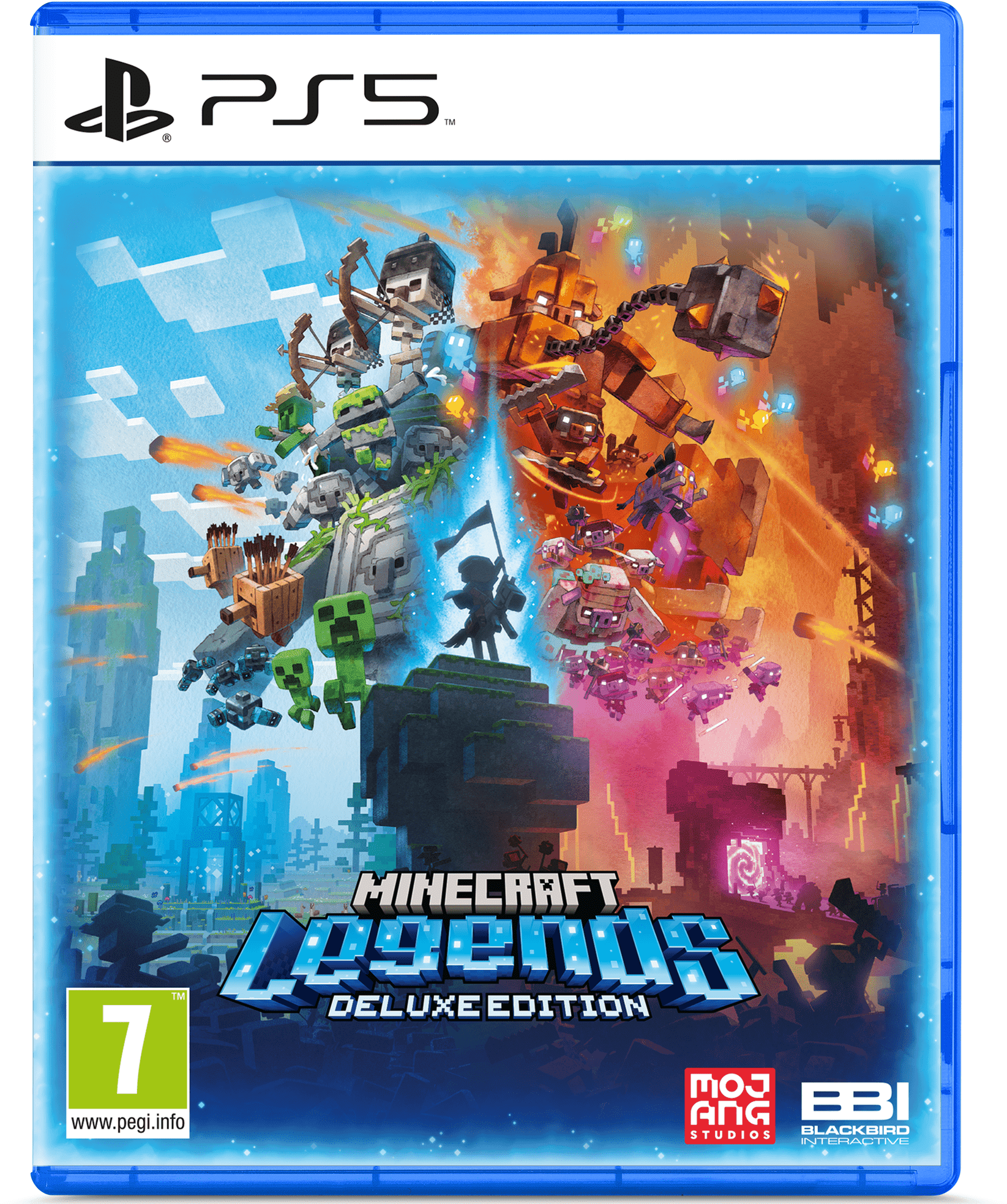
U&I Entertainment Minecraft Legends Deluxe Edition for PlayStation 5 (Disc) - Action-strategy adventure with strategic battles and online multiplayer modesUnite the Overworld and lead the fight in Minecraft Legends Deluxe Edition for PlayStation 5. The piglins are spreading Nether corruption across the Overworld, and its familiar mobs need a hero capable of bringing them together. Explore colourful, resource-rich biomes, form alliances and command your forces in action-packed strategic battles. Each world offers changing landscapes, treasures and dangers, while hostile piglin bases demand careful planning and decisive leadership. This physical edition includes the Minecraft Legends base game on disc and the Deluxe Skin Pack, giving your hero and mounts a distinctive new look. Key features include an action-strategy adventure set in the Minecraft universe, leading familiar mobs and new allies against the piglin invasion, and exploring a dynamic Overworld that changes with each playthrough. The game includes a single-player campaign with optional online multiplayer modes and is rated PEGI 7.22,89 £*Shipping: 1,99 £Secure redirect to the provider
-
Inspired Finds Eternal Bonds Personalized Acrylic Photo Frame & Custom Couple Plaque Gift warm LightCapture Your Timeless Connection. Turn your most meaningful moments into a lasting keepsake with this elegant personalized acrylic photo frame. Designed specifically for couples who value memories that matter, this sleek, transparent display piece...110,99 $*Shipping: 0,00 $Secure redirect to the provider
-
Inspire Daily Merch Balloon Explosion Game Fun Party Tabletop Toy Multiplayer For Family Gatherings And Adventure Balloon Explosion Game Fun Party Tabletop Toy Multiplayer For Family Gatherings And AdventureUnleash the Fun with the Multiplayer Balloon Explosion Game The Multiplayer Balloon Explosion Game is the ultimate tabletop toy for unforgettable moments. Designed to get everyone involved, this game is perfect for both kids and adults, offering...79,97 $*Shipping: 0,00 $Secure redirect to the provider



-
Why are intermolecular bonds generally weaker than covalent bonds?
Intermolecular bonds are generally weaker than covalent bonds because they involve interactions between molecules rather than within a single molecule. Covalent bonds involve the sharing of electrons between atoms, creating strong bonds within a molecule. In contrast, intermolecular bonds, such as hydrogen bonds or van der Waals forces, are weaker because they are based on temporary interactions between molecules, which can be easily broken. Additionally, intermolecular bonds are influenced by factors such as distance and orientation, further contributing to their weaker nature compared to covalent bonds. **
-
Why are intermolecular bonds weaker than electron pair bonds?
Intermolecular bonds are weaker than electron pair bonds because they involve interactions between molecules rather than within a single molecule. In intermolecular bonds, the attractive forces between molecules are generally weaker than the covalent bonds that hold atoms together within a molecule. Additionally, intermolecular bonds are typically temporary and can be easily broken, whereas electron pair bonds are strong and stable. Overall, the weaker nature of intermolecular bonds allows molecules to move and interact with each other more freely. **
-
Why are intermolecular bonds typically weaker than covalent bonds?
Intermolecular bonds are typically weaker than covalent bonds because they involve interactions between molecules rather than within a single molecule. In intermolecular bonds, the attractive forces between molecules, such as van der Waals forces or hydrogen bonding, are weaker than the strong sharing of electrons in covalent bonds. Additionally, intermolecular bonds are more easily broken or disrupted by changes in temperature or pressure, leading to lower bond energies compared to covalent bonds. **
-
Why are intermolecular bonds typically weaker than electron pair bonds?
Intermolecular bonds are typically weaker than electron pair bonds because they involve interactions between molecules rather than within a single molecule. In intermolecular bonds, the attractive forces between molecules are generally weaker than the covalent bonds that hold atoms together within a molecule. Additionally, intermolecular bonds are usually based on weaker forces such as van der Waals forces, hydrogen bonding, or dipole-dipole interactions, which are not as strong as the sharing or transfer of electrons in covalent or ionic bonds. **

Why are intermolecular bonds generally weaker than electron pair bonds?
Intermolecular bonds are generally weaker than electron pair bonds because they involve interactions between molecules, which are larger and less localized than the interactions between atoms in a covalent bond. In intermolecular bonds, the attractive forces are typically weaker due to the larger distance between molecules and the lack of direct sharing of electrons. In contrast, electron pair bonds involve the sharing of electrons between atoms, leading to stronger and more localized bonding interactions. **
Why are polar bonds lower in energy than nonpolar bonds?
Polar bonds are lower in energy than nonpolar bonds because they involve the unequal sharing of electrons between two atoms with different electronegativities. This unequal sharing creates a dipole moment, which results in an attractive force between the partially positive and partially negative ends of the molecule. This electrostatic attraction lowers the overall energy of the molecule compared to nonpolar bonds, where electrons are shared equally. As a result, polar bonds are typically stronger and more stable than nonpolar bonds. **
Top-Angebote
Products related to Bonds:
-
milk_shake Everlasting Bonds Leave In Treatment 100mLA hair-care product. It a lightweight leave-in treatment designed to enhance your hair's softness, shine, and manageability without adding weight. This innovative formula provides heat protection up to 230°C, making it ideal for styling while addressing hair damage and promoting a healthier appearance.26,33 £*Shipping: 5,34 £Secure redirect to the provider
-
Mojang Studios Minecraft Legends Deluxe Edition for PlayStation 4 (Disc) - Action-strategy adventure game with multiplayer modesUnite the Overworld and lead familiar mobs and unexpected allies into battle in Minecraft Legends Deluxe Edition for PlayStation 4. The piglins are spreading corruption across the Overworld, and a well-planned defence is needed to stop their advance. Build, explore, and command as you travel through a colourful, resource-rich world that changes with each playthrough. Gather allies, strengthen settlements, and direct your forces against fortified piglin bases. Strategic decisions combine with real-time action as you ride across the landscape, raise your banner, and rally the Overworld's defenders. This game includes the base game and the Deluxe Skin Pack, which features one hero skin and five mount skins. Multiplayer modes allow heroes to cooperate or compete online.22,79 £*Shipping: 1,99 £Secure redirect to the provider
-
U&I Entertainment Minecraft Legends Deluxe Edition for PlayStation 5 (Disc) - Action-strategy adventure with strategic battles and online multiplayer modesUnite the Overworld and lead the fight in Minecraft Legends Deluxe Edition for PlayStation 5. The piglins are spreading Nether corruption across the Overworld, and its familiar mobs need a hero capable of bringing them together. Explore colourful, resource-rich biomes, form alliances and command your forces in action-packed strategic battles. Each world offers changing landscapes, treasures and dangers, while hostile piglin bases demand careful planning and decisive leadership. This physical edition includes the Minecraft Legends base game on disc and the Deluxe Skin Pack, giving your hero and mounts a distinctive new look. Key features include an action-strategy adventure set in the Minecraft universe, leading familiar mobs and new allies against the piglin invasion, and exploring a dynamic Overworld that changes with each playthrough. The game includes a single-player campaign with optional online multiplayer modes and is rated PEGI 7.22,89 £*Shipping: 1,99 £Secure redirect to the provider
-
Inspired Finds Eternal Bonds Personalized Acrylic Photo Frame & Custom Couple Plaque Gift warm LightCapture Your Timeless Connection. Turn your most meaningful moments into a lasting keepsake with this elegant personalized acrylic photo frame. Designed specifically for couples who value memories that matter, this sleek, transparent display piece...110,99 $*Shipping: 0,00 $Secure redirect to the provider
-
What are the differences between covalent bonds, metallic bonds, and ionic bonds?
Covalent bonds are formed when two atoms share electrons, resulting in a strong bond between the atoms. Metallic bonds occur between metal atoms, where the electrons are delocalized and free to move throughout the structure, creating a strong bond. Ionic bonds are formed between a metal and a nonmetal, where one atom transfers electrons to the other, resulting in the formation of positively and negatively charged ions that are attracted to each other. Overall, covalent bonds involve electron sharing, metallic bonds involve electron delocalization, and ionic bonds involve electron transfer. **
-
Do CO bonds form with other CO bonds?
No, CO bonds do not typically form with other CO bonds. Carbon monoxide (CO) is a stable molecule with a triple bond between the carbon and oxygen atoms. This triple bond is strong and does not readily form additional bonds with other CO molecules. Instead, CO molecules tend to interact with other types of molecules through various types of chemical reactions. **
-
Why are intermolecular bonds generally weaker than covalent bonds?
Intermolecular bonds are generally weaker than covalent bonds because they involve interactions between molecules rather than within a single molecule. Covalent bonds involve the sharing of electrons between atoms, creating strong bonds within a molecule. In contrast, intermolecular bonds, such as hydrogen bonds or van der Waals forces, are weaker because they are based on temporary interactions between molecules, which can be easily broken. Additionally, intermolecular bonds are influenced by factors such as distance and orientation, further contributing to their weaker nature compared to covalent bonds. **
-
Why are intermolecular bonds weaker than electron pair bonds?
Intermolecular bonds are weaker than electron pair bonds because they involve interactions between molecules rather than within a single molecule. In intermolecular bonds, the attractive forces between molecules are generally weaker than the covalent bonds that hold atoms together within a molecule. Additionally, intermolecular bonds are typically temporary and can be easily broken, whereas electron pair bonds are strong and stable. Overall, the weaker nature of intermolecular bonds allows molecules to move and interact with each other more freely. **
Similar search terms for Bonds
-
Inspire Daily Merch Balloon Explosion Game Fun Party Tabletop Toy Multiplayer For Family Gatherings And Adventure Balloon Explosion Game Fun Party Tabletop Toy Multiplayer For Family Gatherings And AdventureUnleash the Fun with the Multiplayer Balloon Explosion Game The Multiplayer Balloon Explosion Game is the ultimate tabletop toy for unforgettable moments. Designed to get everyone involved, this game is perfect for both kids and adults, offering...79,97 $*Shipping: 0,00 $Secure redirect to the provider
-
Uplift Picks Kids Steering Wheel Toy Racing Simulation Adventure Learning Game Kids Steering Wheel Toy Racing Simulation Adventure Learning GameLet little drivers take the wheel with this exciting kids steering wheel toy designed for immersive pretend play. This engaging racing simulation toy for children brings lights, sounds, and interactive challenges together for a realistic driving...210,00 $*Shipping: 0,00 $Secure redirect to the provider
-
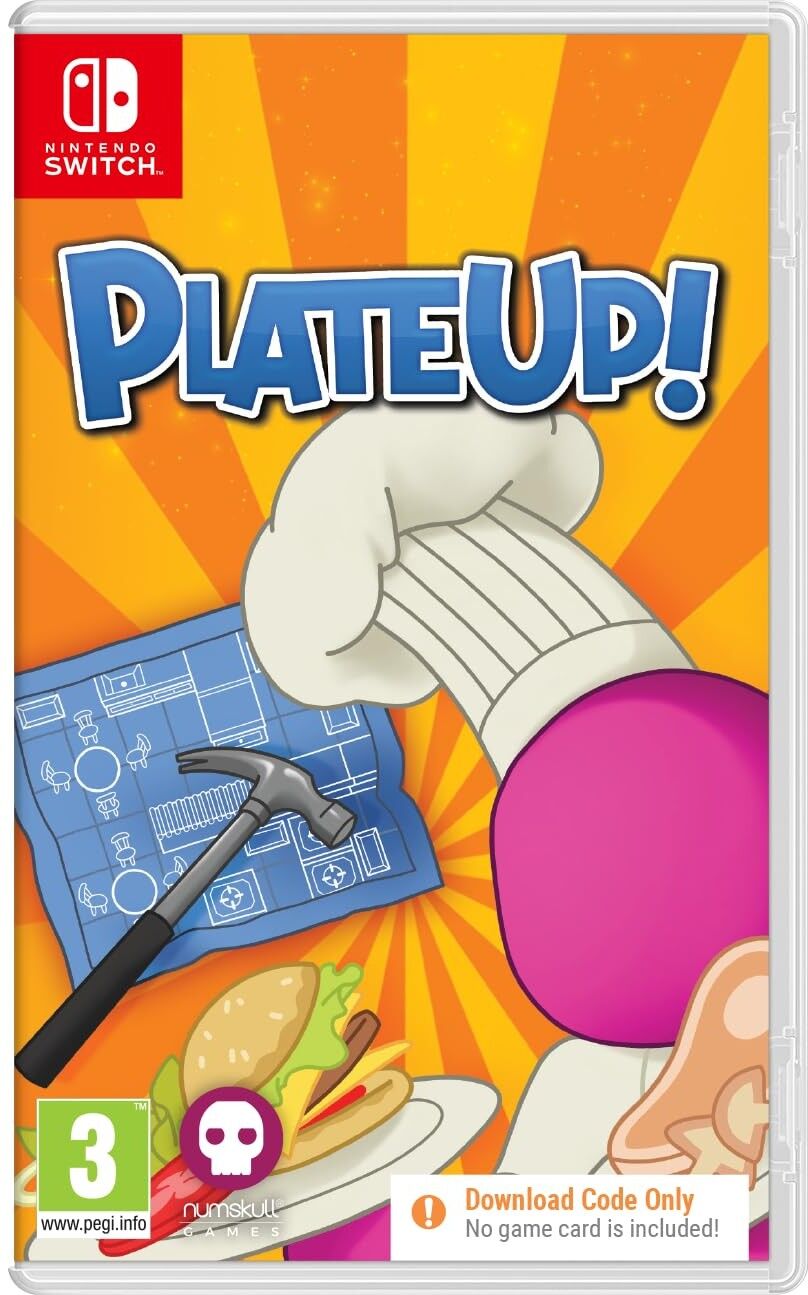
Numskull Games PlateUp! Nintendo Switch (Code in Box) - Nintendo Switch Game - Multiplayer - Cooking SimulationCook, build, and manage together in PlateUp! for Nintendo Switch. This game blends fast-paced cooperative cooking with restaurant management and strategic planning. Design a dining space, choose your menu, and work through increasingly demanding services as you prepare dishes, serve customers, and keep the kitchen running smoothly. Create your ideal restaurant, each with a unique layout, setting, and set of conditions. Between shifts, you can buy appliances, rearrange equipment, and develop your operation. Combine upgraded ovens, conveyors, and other technology to create an efficient automated kitchen, or rely on teamwork and quick reactions when service becomes hectic. Play solo or cooperatively with one to four players, plan every detail, and build automated kitchens. Face varied challenges with procedural generation, making each restaurant different. Expand through progress and upgrades to create your dream restaurant.12,59 £*Shipping: 1,99 £Secure redirect to the provider
-
Why are intermolecular bonds typically weaker than covalent bonds?
Intermolecular bonds are typically weaker than covalent bonds because they involve interactions between molecules rather than within a single molecule. In intermolecular bonds, the attractive forces between molecules, such as van der Waals forces or hydrogen bonding, are weaker than the strong sharing of electrons in covalent bonds. Additionally, intermolecular bonds are more easily broken or disrupted by changes in temperature or pressure, leading to lower bond energies compared to covalent bonds. **
-
Why are intermolecular bonds typically weaker than electron pair bonds?
Intermolecular bonds are typically weaker than electron pair bonds because they involve interactions between molecules rather than within a single molecule. In intermolecular bonds, the attractive forces between molecules are generally weaker than the covalent bonds that hold atoms together within a molecule. Additionally, intermolecular bonds are usually based on weaker forces such as van der Waals forces, hydrogen bonding, or dipole-dipole interactions, which are not as strong as the sharing or transfer of electrons in covalent or ionic bonds. **
-
Why are intermolecular bonds generally weaker than electron pair bonds?
Intermolecular bonds are generally weaker than electron pair bonds because they involve interactions between molecules, which are larger and less localized than the interactions between atoms in a covalent bond. In intermolecular bonds, the attractive forces are typically weaker due to the larger distance between molecules and the lack of direct sharing of electrons. In contrast, electron pair bonds involve the sharing of electrons between atoms, leading to stronger and more localized bonding interactions. **
-
Why are polar bonds lower in energy than nonpolar bonds?
Polar bonds are lower in energy than nonpolar bonds because they involve the unequal sharing of electrons between two atoms with different electronegativities. This unequal sharing creates a dipole moment, which results in an attractive force between the partially positive and partially negative ends of the molecule. This electrostatic attraction lowers the overall energy of the molecule compared to nonpolar bonds, where electrons are shared equally. As a result, polar bonds are typically stronger and more stable than nonpolar bonds. **
* All prices are inclusive of VAT and, if applicable, plus shipping costs. The offer information is based on the details provided by the respective shop and is updated through automated processes. Real-time updates do not occur, so deviations can occur in individual cases. ** Note: Parts of this content were created by AI.